
Glamping vs Traditional Camping: What Modern Campers Should Know
Updated: Apr 27
Camping has always provided an opportunity to escape the daily grind, allowing individuals to reconnect with nature, explore the outdoors, and appreciate the simple joys of life. But in recent years, a new trend has emerged that’s revolutionizing the way we think about outdoor experiences: glamping. But what exactly is the difference between glamping and traditional camping? And which one is right for you? Let’s dive into what modern campers should know about these two camping styles.

The Growing Popularity of Camping and Glamping
Camping has always been an essential part of the outdoor lifestyle. It allows people to unplug, recharge, and experience nature in a way that’s impossible in the comfort of home. However, as more people seek adventure in the vast outdoors, they also seek comfort and luxury in their experiences. This is where glamping (glamorous camping) enters the picture.
Unlike traditional camping, which involves setting up a tent or shelter in the wilderness, glamping combines the beauty of nature with the convenience and luxury of a hotel. This hybrid approach allows modern travelers to experience the best of both worlds – adventure and comfort – without sacrificing one for the other. For example, Glastonbury glamping has become an iconic way for festival-goers to enjoy the festivities while staying in stylish, comfortable accommodations that offer a break from the traditional camping scene.
What is Traditional Camping?
Traditional camping, often referred to as "backpacking" or "tent camping," is the quintessential outdoor experience. It involves setting up camp in the wilderness, typically with minimal amenities, to immerse oneself in nature. This style of camping is known for its simplicity and self-sufficiency.

Key Features of Traditional Camping:
Tents and Sleeping Bags: Campers bring their own shelter, often a basic tent, and sleep in sleeping bags on the ground.
Campfire Cooking: Meals are cooked over an open fire or on portable stoves.
Minimal Amenities: Campers bring basic gear, like cooking equipment, food, and water, and usually do without modern conveniences like electricity or indoor plumbing.
Who is Traditional Camping Best Suited For?
Traditional camping is best suited for those seeking an authentic wilderness experience. It’s ideal for outdoor enthusiasts who don’t mind roughing it and are looking for a more immersive adventure. Whether you’re a seasoned camper or a first-time adventurer, traditional camping offers a chance to experience the raw beauty of nature while challenging yourself to live with the essentials.
What is Glamping?
Glamping is a more luxurious form of camping that offers the joys of the outdoors with the comfort and amenities of a high-end hotel or resort. Glamping accommodations vary widely, from yurts and treehouses to safari tents and luxury cabins. While it still involves being immersed in nature, glamping allows you to enjoy the comforts of home, such as comfortable beds, electricity, running water, and sometimes even gourmet meals.
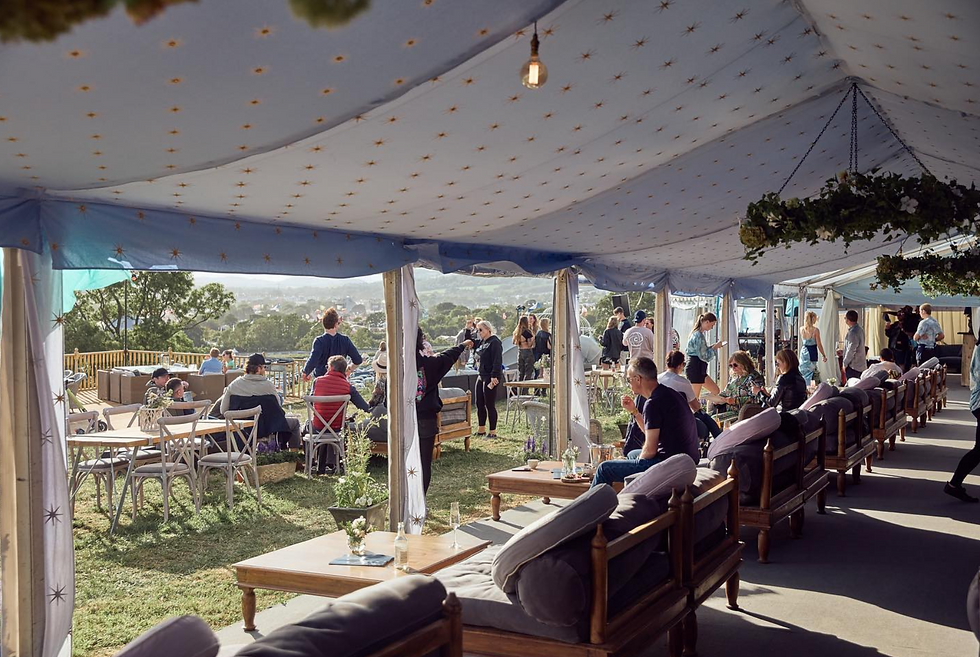
Key Features of Glamping:
Comfortable Accommodations: From plush beds to fully furnished tents, glamping ensures a cozy stay, even in the wilderness.
Modern Amenities: Expect amenities like hot showers, Wi-Fi, electricity, and even air conditioning or heating in some setups.
Curated Experiences: Many glamping sites offer additional services like gourmet meals, guided hikes, spa treatments, and even outdoor activities like horseback riding or kayaking.
Why is Glamping Becoming Popular Among Modern Travelers?
The allure of glamping lies in its ability to offer a more comfortable and convenient camping experience without sacrificing the beauty of nature. It's perfect for those who want to enjoy the outdoors but prefer not to deal with the challenges of traditional camping. Glamping allows for a more relaxed outdoor experience, combining the serenity of nature with the comforts of modern living.
Comfort vs Adventure: Key Differences
When deciding between glamping and traditional camping, the primary distinctions often revolve around comfort and adventure.
Accommodation:
Traditional camping typically involves a basic tent or shelter, where you’ll be sleeping on the ground in a sleeping bag. It’s an essential part of the outdoor experience and one that many campers enjoy for its simplicity and connection to nature. Glamping, however, offers plush accommodations with comfortable beds, elegant furnishings, and sometimes even en-suite bathrooms. It’s perfect for those who want to enjoy nature without sacrificing comfort.
Facilities:
While traditional camping often requires campers to bring their own gear, glamping sites are usually fully equipped with amenities like private bathrooms, electricity, Wi-Fi, and sometimes even swimming pools or hot tubs. If you’re looking for a more comfortable and convenient experience, glamping may be the better option.
Experience and Lifestyle:
Traditional camping is all about self-sufficiency. It involves cooking your own meals over a campfire, dealing with the elements, and roughing it in nature. Glamping, on the other hand, is about enjoying the outdoors without hassle. It’s about creating memorable experiences while still enjoying the comforts of modern life. Glamping sites often offer additional activities like guided tours, yoga sessions, or culinary experiences that enhance the overall stay.
Cost Comparison
One of the most significant differences between glamping and traditional camping is the cost. Traditional camping is relatively inexpensive, especially if you already own the necessary gear. You may only need to pay for campsites or national park entrance fees, which are generally affordable.
Glamping, on the other hand, can be significantly more expensive. The luxurious accommodations, private amenities, and curated experiences often come with a hefty price tag. While glamping can be pricey, it provides an elevated experience that justifies the cost for many travelers.
Budget Considerations:
Traditional Camping: Budget-friendly and often free, especially if you camp in public parks or on national forest land.
Glamping: Can range from moderate to expensive, depending on the location and level of luxury.
Best Option for Different Types of Travelers
Both glamping and traditional camping offer unique benefits, but which one is right for you depends on your needs and preferences.
Families:
Families may enjoy traditional camping for its simplicity and bonding experience. It’s a wonderful way to teach kids about nature, outdoor skills, and responsibility. However, for families with younger children or those seeking more comfort, glamping can provide a more relaxing experience without sacrificing the outdoor adventure.
Couples:
Couples looking for a romantic getaway might find glamping more appealing, especially if they want to enjoy beautiful surroundings while indulging in luxury. Glamping offers a more intimate and comfortable experience that can be perfect for a weekend getaway.
First-Time Campers:
For first-time campers, glamping is a wonderful way to get a taste of the outdoors without the steep learning curve of traditional camping. You can experience the beauty of nature while staying in comfort, which makes it easier to relax and enjoy it.
Adventure Seekers:
For those who thrive on adventure and seek a more rugged experience, traditional camping is the way to go. It challenges you to adapt to the elements and embrace the outdoors fully.
Essential Gear Considerations
When choosing between glamping and traditional camping, it’s important to consider the gear you’ll need.
What You Need for Traditional Camping:
Tent and stakes
Sleeping bag and pad
Cooking equipment (stove, pots, utensils)
Food and water
First-aid kit
Headlamp or flashlight
What You May Need for Glamping:
Depending on the site, you may need little more than clothing, toiletries, and personal items. Many glamping sites provide everything you need, including bedding, towels, and kitchen facilities.
Final Thoughts: Choosing What’s Right for You
Ultimately, the choice between glamping and traditional camping comes down to personal preference. If you enjoy the challenge of self-sufficiency and want to immerse yourself in nature, traditional camping may be the perfect option. However, if you prefer the comforts of home but still want to enjoy the beauty of the outdoors, glamping might be the best choice.
Both options offer unique experiences that allow you to connect with nature in different ways. Whether you choose the rugged simplicity of traditional camping or the luxurious comforts of glamping, you’re sure to have an unforgettable outdoor adventure.
About the Author
Freya Broughton is a passionate traveler and nature enthusiast, writing for Camp Kerala, a luxury glamping service in the UK. Freya’s travels take her around the world,
exploring different ways to experience the great outdoors, from rugged camping to luxurious glamping.

Comments